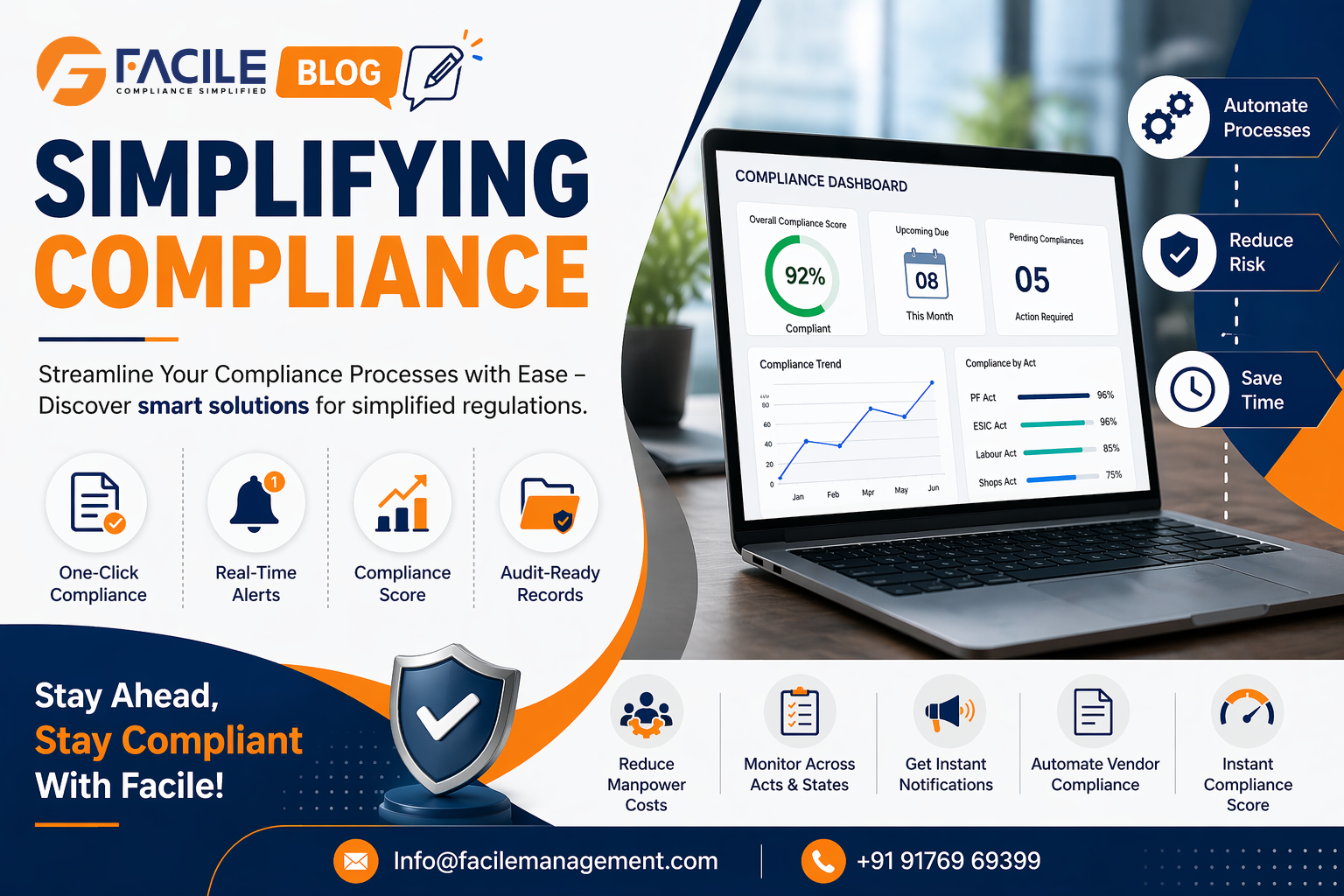


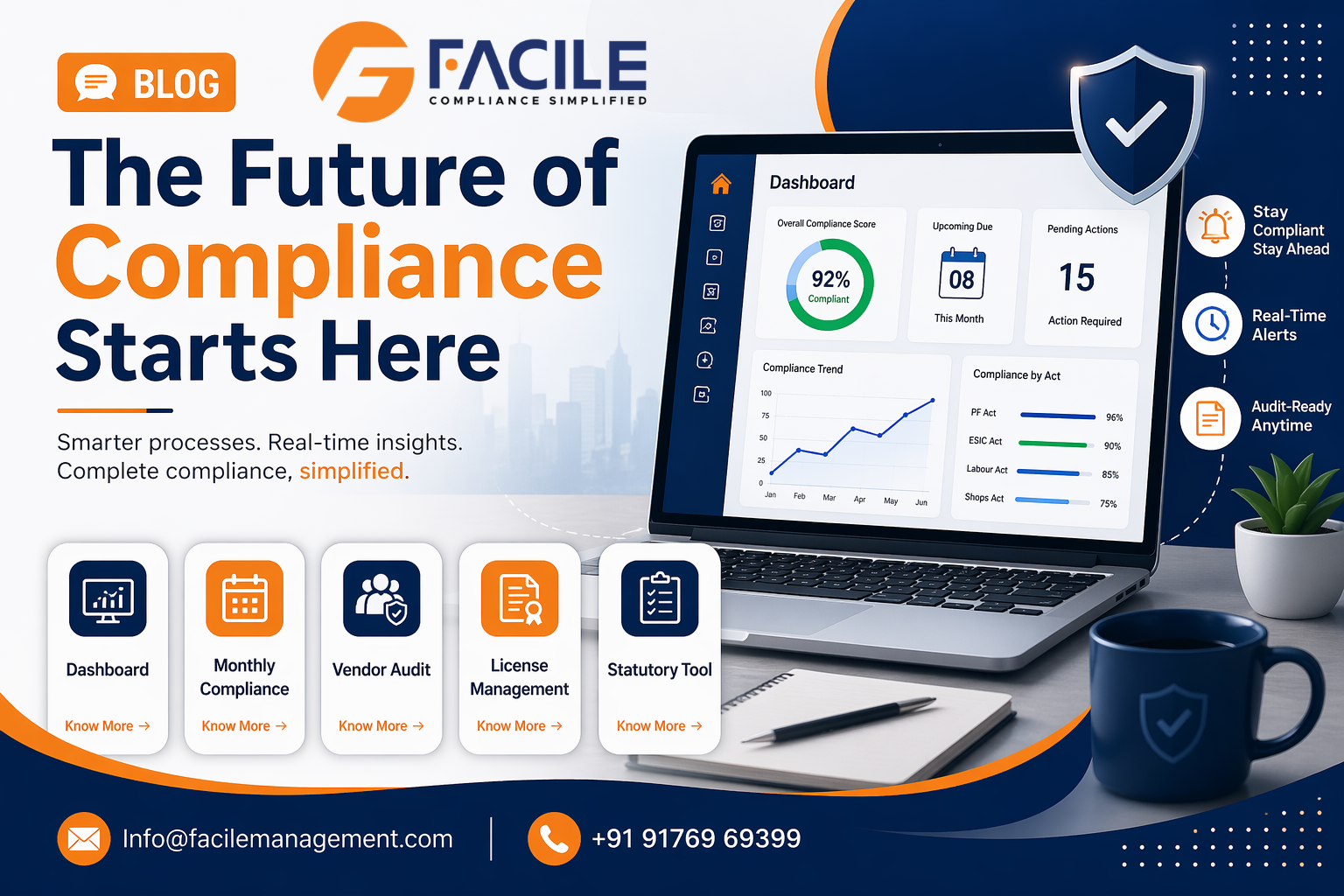
Compliance is no longer just about meeting legal obligations—it’s about building a resilient, transparent, and future-ready organization. As regulations become more complex and dynamic, businesses must move beyond traditional, manual compliance methods and embrace intelligent systems that offer speed, accuracy, and visibility.
In this evolving landscape, forward-thinking organizations are adopting advanced compliance platforms to streamline operations, reduce risks, and ensure consistent adherence to statutory requirements.
Welcome to the future—where compliance is automated, centralized, and smarter than ever before.
For decades, organizations have relied on fragmented systems—Excel sheets, manual registers, email reminders, and disconnected workflows. While these methods may have worked in the past, they are no longer sustainable.
These challenges not only increase operational costs but also expose businesses to significant legal and financial risks.
Modern compliance platforms are transforming how organizations manage statutory obligations. By leveraging automation, centralized dashboards, and real-time analytics, businesses can shift from reactive compliance to proactive governance.
Let’s explore the core components that define the future of compliance.
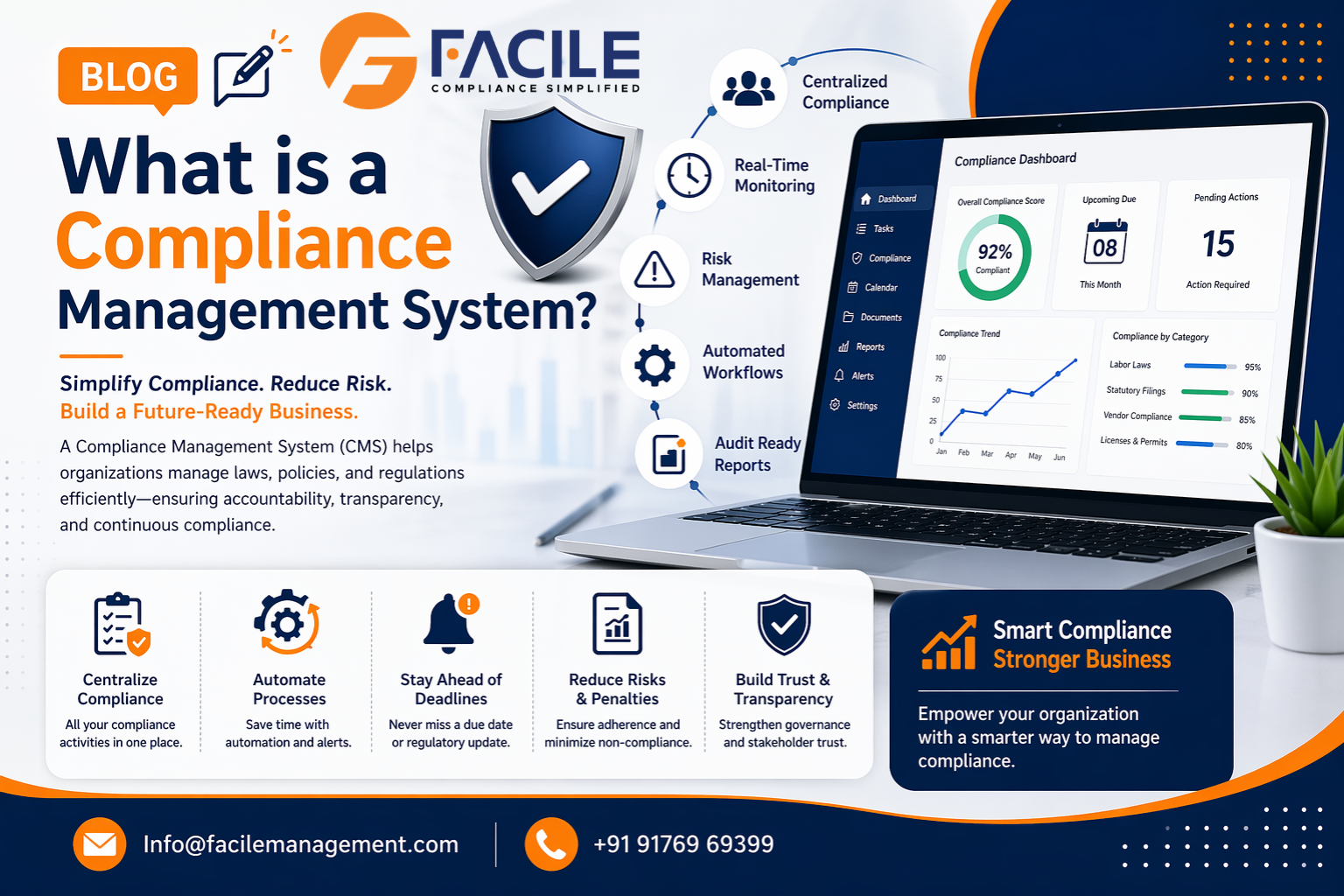
A centralized dashboard is the backbone of modern compliance systems.
Impact: Management can monitor the entire compliance ecosystem from a single screen, eliminating the need for multiple tools.
Managing monthly compliance across various laws and jurisdictions can be overwhelming.
Outcome: Businesses achieve consistency and accuracy in monthly compliance activities.
Vendor compliance is one of the most critical—and often overlooked—areas.
Result: A stronger compliance ecosystem with reduced third-party risks.
Licenses are essential for business operations, and managing them manually can lead to costly lapses.
Advantage: No more missed renewals or compliance violations due to expired licenses.
Statutory compliance involves generating registers, returns, and reports accurately and on time.
Outcome: Compliance processes become faster, smarter, and more reliable.
Automation is at the heart of modern compliance systems.
One of the biggest causes of non-compliance is missed deadlines.
Modern systems provide:
Result: Zero missed deadlines and improved compliance discipline.
Compliance scoring provides a clear picture of organizational health.
Insight: Businesses can prioritize efforts based on real-time compliance performance.
Manual compliance requires:
Automation helps:
Audits can be stressful—but not with the right system.
Benefit: Faster audits with minimal disruption.
As businesses expand:
Modern platforms scale effortlessly:
Compliance is no longer just a legal requirement—it’s a competitive advantage.
The future is driven by:
Businesses that adopt these technologies early will lead the market.
The future of compliance is here—and it’s intelligent, automated, and seamless.
By adopting modern compliance solutions, businesses can:
The journey to smarter compliance begins today.
It refers to the use of automation, centralized systems, and real-time analytics to manage compliance efficiently.
It provides a centralized view of compliance activities, enabling better tracking and decision-making.
It involves tracking, managing, and completing compliance tasks on a monthly basis across different laws.
Non-compliant vendors can expose businesses to legal and financial risks.
It ensures all licenses are valid, updated, and renewed on time.
It automates the preparation of statutory registers and returns.
Yes, it significantly reduces manpower and operational costs.
They ensure that deadlines are not missed and tasks are completed on time.
It is a metric that evaluates the compliance status and risk level of an organization.
Yes, it can handle multi-location and multi-state operations efficiently.
By reducing human errors and ensuring standardized processes.
Absolutely. These tools are scalable and adaptable to all business sizes.
Almost all industries—especially those dealing with labor laws, finance, and regulations.
Yes, modern systems ensure secure data storage and controlled access.
By adopting automated compliance platforms and integrating them into their workflows.


Facile Management Services (OPC) Private Limited is committed to delivering seamlessly integrated HR and compliance solutions designed for the evolving